
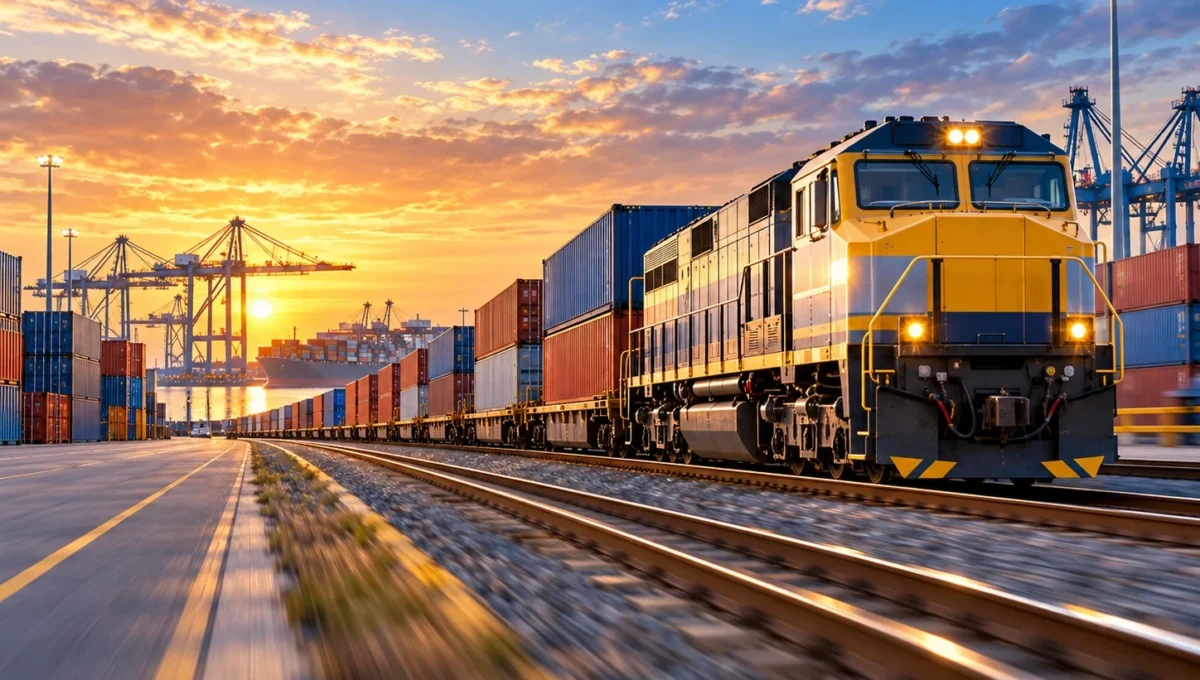
The global freight market in 2026 continues to normalize, but conditions are not identical across every trade lane. Capacity, congestion, seasonal demand and routing changes can still create meaningful differences in transit time and price.
Capacity is improving, but planning still matters
More stable capacity can make booking easier on many routes, yet peak periods and specific gateways may still tighten quickly. Early planning remains useful for important shipments.
Routing flexibility creates options
Businesses can reduce risk by considering alternate ports, multimodal options and realistic delivery buffers when a trade lane becomes disrupted.
Focus on total logistics cost
The lowest freight rate is not always the lowest total cost. Inventory time, storage, customs delays and final delivery should be considered together when comparing shipping plans.