
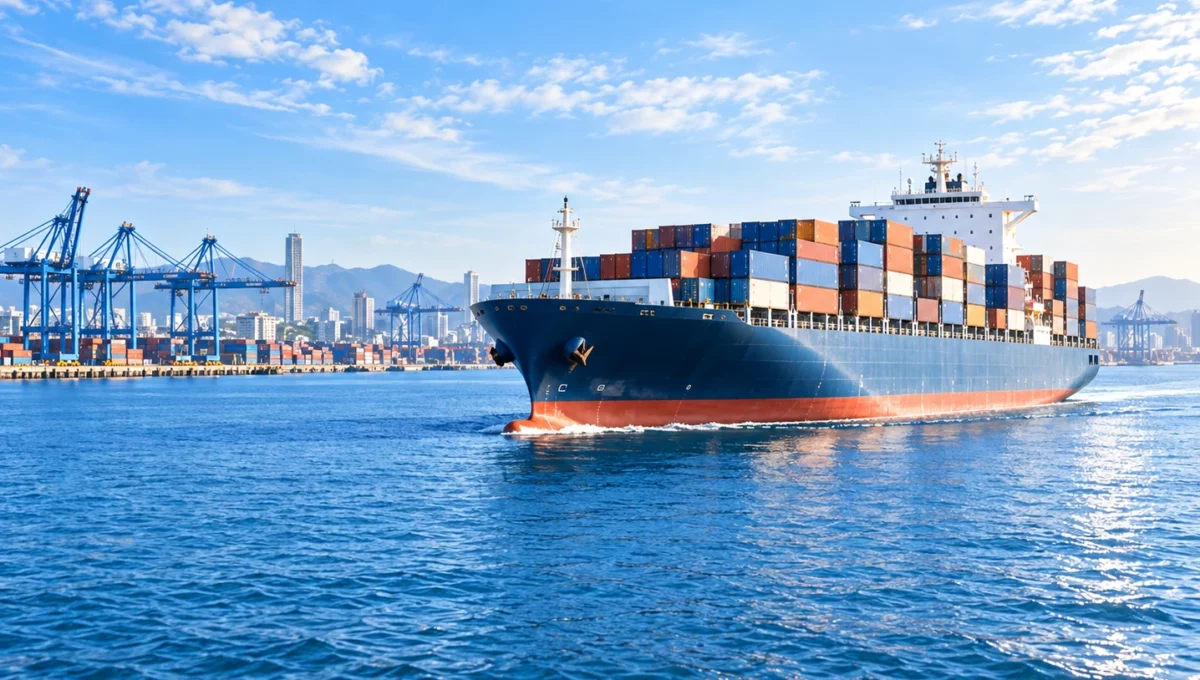
Global supply chains are changing quickly. Shippers are balancing cost, speed and reliability while dealing with changing capacity, new trade requirements and higher customer expectations.
1. Visibility is becoming a basic requirement
More businesses want shipment milestones, exception alerts and clearer inventory information. Better visibility helps teams react earlier when schedules or routes change.
2. Resilience matters as much as efficiency
Companies are building more flexible routing options, using multiple gateways and strengthening relationships with dependable logistics partners instead of relying on one transport plan.
3. Data is improving planning
Historical transit times, booking data and market information can support better forecasting and more realistic shipping schedules.
- Plan key trade lanes earlier.
- Keep alternative routes and transport modes available.
- Review customs and documentation requirements before cargo moves.
- Use warehouse and transport data together when possible.
4. Compliance is moving earlier in the process
Accurate product descriptions, classification and documentation reduce preventable delays. Early compliance checks are especially important when entering new markets.
5. Partner coordination is becoming more important
A connected network of carriers, agents, customs specialists and warehouses can make international logistics easier to manage from origin to final delivery.